Stainless steel is one of the most favoured materials, used widely across several industries for multipurpose use. Most people judge stainless steel by how it looks or how long it lasts. That makes sense. You see the finish, you test the strength, you expect it to perform. But what’s not visible is where all of that actually begins, i.e., the raw material. It is the basic building block of any stainless steel product and its performance. It quietly decides everything. Today, here we will understand the importance of the right material selection by stainless steel products manufacturers that impacts the quality of stainless steel products.
Stainless steel products manufacturing is a complex process that starts as a perfect blend of various elements like iron, chromium, and nickel. The appropriate percentage of these, maintaining the desired balance, gives stainless steel the properties in the final place. Even small variations in the composition of these elements can affect how the material performs later on. Then comes the final finishing processes.
For example, chromium is the element that makes sure that stainless steel is resistant to corrosion. If the right proportions of chromium are not added, the end product may not be able to perform under moisture or wet environmental conditions, and may start rusting. Similarly, the proportions of nickel decide the strength and flexibility of the products, making the material easier to work with and more reliable in demanding conditions.
So when the raw material is not perfect as per the set goals, the impact shows up in the end product. It may not be immediately visible, but it will eventually lead to performance issues.
It Shows Up in Performance
In real applications, stainless steel is rarely used casually.
It goes into structures, machines, pipelines, and equipment, and these are crucial places where failure is not an option. And in those situations, the quality of the raw material matters more than anything else.
If the composition is slightly off or if impurities are present, the product may not hold up the way it should. It might wear faster, corrode sooner, or behave inconsistently under pressure.
These are not always dramatic failures. Sometimes it’s just reduced life, more maintenance, or small issues that keep adding up.
And most of the time, the root cause goes back to the first step of selection of the right raw materials.
Consistency is Crucial for Flawless Execution
One good batch with the desired composition is not enough. In industrial use, stainless steel materials are needed in large quantities, often across multiple orders. What matters is whether the quality stays the same every time or not. This is where raw material control becomes critical.
Even minor variations in composition can lead to differences in machining, welding, or overall performance. That’s why experienced stainless steel product manufacturers pay close attention to sourcing the right raw materials and testing. It has to be done not just once, but consistently.
Because fixing issues later is far more difficult than getting it right at the start.
Reliability is Important
This is also where the difference between an average supplier and a reliable stainless steel brand in India becomes clear.
Some manufacturers focus mainly on production output. Others focus on what goes into that production.
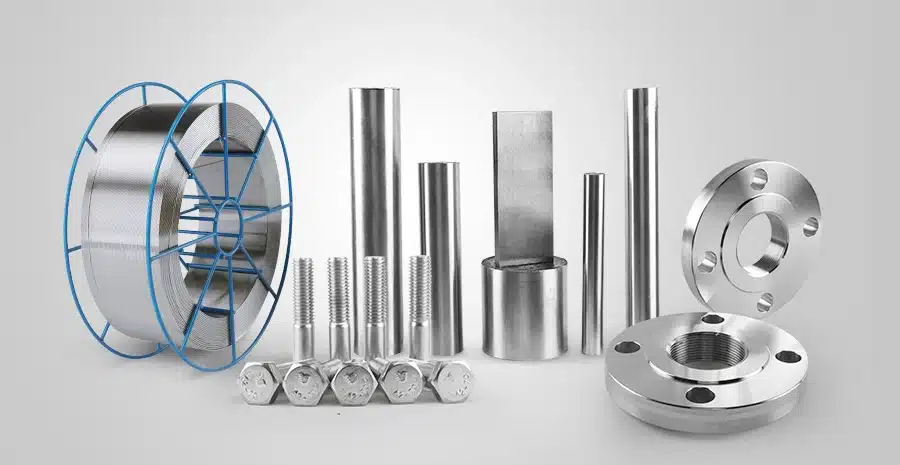
Companies like Viraj Profiles Pvt. Ltd., for example, work with controlled raw material processes to maintain consistency across their product range. It is applicable to all stainless steel products, whether it’s bars, wires, or fasteners. It’s not something that shows up in marketing, but it shows up in performance over time. And that’s what industries actually depend on.
In the End, It’s Quite Simple
- You can improve processes.
- You can refine finishing.
- You can optimise production.
But you can’t fully fix poor raw material.
The final product will always reflect where it started.
Therefore, we at Viraj are keen, when it comes to stainless steel, quality doesn’t begin at the manufacturing stage. It begins much earlier with the raw material itself.
FAQ’s
1. Why does raw material matter so much in stainless steel?
Because it sets the base for everything that comes after. If the raw material isn’t right, no amount of processing can fully fix it. You might still get a finished product, but it won’t perform the way it should over time.
2. What actually goes into stainless steel?
It’s mainly a mix of iron with elements like chromium and nickel. Chromium helps prevent rust, while nickel improves strength and flexibility. The balance between these elements is what makes one type of stainless steel different from another. So that it meets distinct project requirements successfully.
3. Can good manufacturing make up for poor raw material?
Not really. Manufacturing can improve finishing and shape, but it can’t completely correct issues in composition. If the base material is weak or inconsistent, those problems usually show up later.
4. How do manufacturers make sure the raw material is good?
We at Viraj Profiles test and verify materials before using them. This includes checking composition and maintaining consistency across batches. It’s a continuous process, not just a one-time check.
5. Why is it better to choose a trusted stainless steel brand in India?
Because you’re not just buying a product for one-time use. The success of any industrial or residential project depends on how it performs. Established brands usually have better control over sourcing and quality, which ensures better performance and long-term reliability.

Post A Comment