When we source industrial materials, we look for properties like structural strength, long-term durability, and environmental resistance. However, what actually guarantees the performance of an alloy is its manufacturing precision and adherence to strict global benchmarks. For procurement managers and project leads, choosing the right material from established SS products manufacturers involves looking beyond the surface finish.
Evaluating material integrity before it leaves the warehouse avoids expensive downtime, early failure, and structural vulnerabilities. This blog will walk you through the essential quality metrics, documentation, and testing frameworks needed to make an informed and high-value purchase.
1. Demystify the Material Test Report (MTR)
A Material Test Report (MTR) or a mill test certificate works as the official blueprint for any batch of steel. We should avoid accepting shipments without verifying this document against the relevant industry standards, like those by the American Society for Testing and Materials or the International Organization for Standardisation.
When reviewing MTR, there are three elements that need to be focused on:
- The Heat Code: This unique identifier must be physically stamped or etched on the product. It connects the physical steel directly back to its manufacturing records, ensuring absolute traceability.
- Chemical Composition: Ensure the elemental percentages align precisely with the requested grade. For example, a small drop in chromium or nickel in grade 316 can severely degrade its corrosion resistance in chemical or marine environments.
- Mechanical Properties: Cross-check the yield strength, tensile strength, and elongation percentages to confirm the beach can handle your specific operational loads.
2. Verify Global Certifications and Traceability
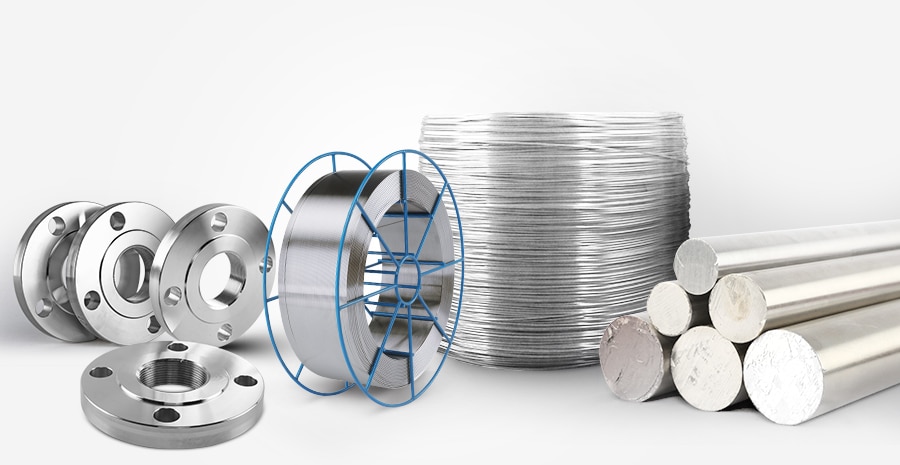
High-quality engineering requires standardisation. Reputable manufacturers validate their production processes through extensive third-party testing and global quality frameworks. When evaluating a supplier, verify their compliance with international operational systems like ISO 9001. Leading global manufacturers like Viraj Profiles maintain certification frameworks, often holding over 130 international approvals and certifications across their divisions. This high level of compliance ensures that every component, from bright bars to complex forged flanges, delivers predictable and repeatable performance under heavy industrial stress.
3. Review Advanced Testing Frameworks
Visual inspections can only reveal surface-level aesthetic issues. To ensure internal integrity and structural soundness, look for manufacturers that incorporate advanced testing protocols directly into their production lines:
| Test Type |
What It Evaluates |
Why It Matters |
| Ultrasonic Testing (UT) |
Use high-frequency sound waves to scan the internal matrix of the steel. |
Identifies deep internal flaws, voids, or non-metallic inclusions before machining. |
| Eddy Current Testing (ECT) |
Utilises electromagnetic induction to inspect the product surface. |
Detects minute surface cracks, seams, or structural discontinuities at high speed. |
| Mechanical Stress Testing |
Subjects samples to destructive tensile, impact, and hardness challenges. |
Confirms the physical limits of the material match its intended engineering design. |
Securing Your Supply Chain
Evaluating material quality is an important step to protect your infrastructure, optimising operational efficiency, and reducing long-term lifecycle costs. Partnering with an established and recognised stainless steel company in India ensures that your procurement process is backed by rigorous testing, transparent documentation, and world-class manufacturing discipline.
At Viraj Profiles, we build these strict industry benchmarks directly into our production floor, providing our global partners with precision-engineered steel solutions that stand the test of time.
FAQs
Can stainless steel rust, and how can that affect identification?
Though stainless steel resists rust better than carbon steel, it can corrode under harsh conditions or if the protective chromium layer is damaged. Visual inspection might not always reveal underlying corrosion, making further testing essential.
Why do some stainless steels develop rust spots?
Lower-grade steel or a poor protective layer can allow rusting. Leveraging harsh abrasives, exposure to salty water, or a poor-quality manufacturing process can also be the reason for rust.
Can I use a simple magnet test to determine the quality of stainless steel?
Not reliably. While various people believe high-quality stainless steel is completely non-magnetic, this only applies to austenitic grades (like 304 and 316) in their annealed state. Cold working, bending, or welding can induce slight magnetism in these grades. Moreover, martensitic and ferritic stainless steel grades are naturally magnetic but still offer excellent performance for specific industrial applications.
Are there any risks of using non-certified stainless-steel products?
Not a major risk, but yeah, non-certified products usually suffer from chemical inconsistencies like excessive carbon levels or insufficient alloying elements. This leads to accelerated intergranular corrosion, weld decay, and structure failure, costing far more in repairs, downtime, and safety liabilities than the initial savings.

Post A Comment